


![New Student Loan Repayment Plans 2026 [The Complete Guide to RAP, IBR, and Every Option Available]](/static/ffb36ed830530f2c6b63cd8146908352/5b893/im.webp)
New Student Loan Repayment Plans 2026 [The Complete Guide to RAP, IBR, and Every Option Available]
Quick Summary: The federal student loan repayment landscape has been completely overhauled. The SAVE Plan is dead. A brand-new plan called the Repayment Assistance Plan (RAP) launches July 1, 2026. PAYE and ICR sunset in 2028. This guide walks you through every plan, who qualifies, what you’ll pay, and what moves to make right now.
Table of Contents
- The Student Loan Landscape Has Fundamentally Changed
- The New Repayment Assistance Plan (RAP) — Explained
- RAP Payment Calculator: What You’ll Actually Pay
- Income-Based Repayment (IBR): The Survivor
- Plans That Are Ending: SAVE, PAYE, ICR
- Head-to-Head Comparison: Every Plan Side by Side
- Key Deadlines You Cannot Miss
- Who Wins and Who Loses Under the New System
- Public Service Loan Forgiveness (PSLF) in 2026
- The “Tax Bomb” Problem
- Parent PLUS Borrowers: Your Options Are Shrinking Fast
- Your Action Plan: What to Do Right Now
- Frequently Asked Questions
1. The Student Loan Landscape Has Fundamentally Changed {#landscape}
If you haven’t reviewed your federal student loan repayment plan in the past 12 months, you are operating on outdated information — and it could cost you thousands of dollars.
On July 4, 2025, President Trump signed the One Big Beautiful Bill Act (OBBBA) into law, the most sweeping overhaul of federal student loan repayment in decades. The law did five major things:
- Killed the SAVE Plan by statute (it was already blocked in courts)
- Created the Repayment Assistance Plan (RAP), effective July 1, 2026
- Scheduled the elimination of PAYE and ICR by July 1, 2028
- Removed the financial hardship test from IBR, opening it to all borrowers
- Changed borrowing caps and restricted deferment options for future borrowers
Meanwhile, the Biden-era SAVE Plan — which had been blocking repayment credit for over 7.6 million borrowers in administrative forbearance — was formally ended when the U.S. Department of Education reached a settlement with the State of Missouri in late 2025. A federal court vacated the SAVE Final Rule entirely in March 2026.
The Department also restarted collections on May 5, 2025, after a five-year hiatus, and resumed interest accrual on SAVE-forbearance loans in August 2025.
For the first time in years, there is no forbearance safety net. Borrowers must choose a plan — and choose wisely.
How Much Student Loan Debt Are We Talking About?
The scale of this policy change is enormous:
Total U.S. federal student loan debt: ~$1.75 trillionNumber of borrowers: ~43 millionBorrowers in SAVE administrative limbo: ~7.6 millionCollections restarted (May 2025): 23+ million borrowers notified
This affects more Americans than any other consumer debt category aside from mortgages. Understanding the new repayment options isn’t optional — it’s financially essential.
2. The New Repayment Assistance Plan (RAP) — Explained {#rap}

The Repayment Assistance Plan (RAP) is the centerpiece of the 2025 student loan law reform. It becomes available on July 1, 2026, and for borrowers taking out new Direct Loans after that date, it will be the only income-driven repayment option.
How RAP Calculates Your Monthly Payment
RAP throws out the old “discretionary income” formula entirely. Instead of subtracting a poverty-line threshold from your income and taking a percentage of what’s left, RAP simply applies a sliding percentage directly to your Adjusted Gross Income (AGI).
The formula is elegantly simple:
Step 1: Find your AGI tier (from your most recent tax return)Step 2: Apply the corresponding percentageStep 3: Divide by 12 for your monthly amountStep 4: Subtract $50 per dependentStep 5: Apply $10 minimum floor
RAP Payment Percentage Table
| Annual AGI | Payment Rate | Example Monthly Payment (no dependents) |
|---|---|---|
| $0 – $10,000 | Flat $10/month | $10 |
| $10,001 – $20,000 | 1% of AGI | ~$8–$17 |
| $20,001 – $30,000 | 2% of AGI | ~$33–$50 |
| $30,001 – $40,000 | 3% of AGI | ~$75–$100 |
| $40,001 – $50,000 | 4% of AGI | ~$133–$167 |
| $50,001 – $60,000 | 5% of AGI | ~$208–$250 |
| $60,001 – $70,000 | 6% of AGI | ~$300–$350 |
| $70,001 – $80,000 | 7% of AGI | ~$408–$467 |
| $80,001 – $90,000 | 8% of AGI | ~$533–$600 |
| $90,001 – $100,000 | 9% of AGI | ~$675–$750 |
| $100,001+ | 10% of AGI | $833+ |
Source: P.L. 119-21 (One Big Beautiful Bill Act); Congress.gov CRS analysis
Key RAP Features at a Glance
Forgiveness timeline: 30 years (360 qualifying payments)
Minimum monthly payment: $10 — even if your income is $0
Dependent deduction: $50 off your monthly payment per dependent claimed on your tax return
No negative amortization: If your payment doesn’t cover monthly interest, the government waives the remaining interest. Your balance will never grow as long as you make on-time payments.
$50 principal match: If your on-time payment reduces your principal by less than $50, the government applies a matching contribution to bring principal reduction up to $50.
Important caveat on the principal match: Paying more than your required minimum can actually eliminate both the interest subsidy and the principal match for that month, since extra payments go to interest first. If you’re on RAP, stick to the required amount unless you’re doing targeted payoff math.
Who Is Eligible for RAP?
✅ Borrowers with Direct Subsidized Loans ✅ Borrowers with Direct Unsubsidized Loans ✅ Borrowers with Grad PLUS Loans ✅ Borrowers with Direct Consolidation Loans (excluding those that paid off Parent PLUS)
❌ Parent PLUS Loans — not eligible ❌ FFEL, Perkins, or HEAL Program loans — not eligible (must consolidate first) ❌ Private student loans — not eligible for any federal IDR plan
3. RAP Payment Calculator: What You’ll Actually Pay {#calculator}
Numbers on paper are one thing. Let’s look at real borrower scenarios.
Scenario A: Single Borrower, $45,000 AGI, No Dependents
AGI: $45,000RAP rate: 4%Annual payment: $45,000 × 4% = $1,800Monthly payment: $1,800 ÷ 12 = $150/monthDependents: 0Final monthly: $150
Compare to New IBR at the same income:
Discretionary income: $45,000 – (150% × ~$15,060 poverty line) = $22,410IBR payment: $22,410 × 10% ÷ 12 = $186.75/month
RAP saves this borrower $36/month, or $432/year.
Scenario B: Married, $80,000 Combined AGI, Two Children
AGI: $80,000RAP rate: 7%Annual payment: $80,000 × 7% = $5,600Monthly base: $5,600 ÷ 12 = $466.67Dependent credit: 2 × $50 = $100Final monthly: $366.67
Compare to New IBR:
Discretionary income: $80,000 – (150% × ~$30,900 FPL for family of 4) = $33,650IBR payment: $33,650 × 10% ÷ 12 = $280.42/month
IBR is cheaper here. The crossover point is roughly $80,000–$90,000 in AGI for borrowers without dependents — above that, IBR generally produces lower payments.
RAP vs. IBR Monthly Payment Comparison Chart
RAP Monthly IBR Monthly DifferenceIncome $30,000: $75 $125 RAP saves $50Income $45,000: $150 $187 RAP saves $37Income $60,000: $250 $265 RAP saves $15Income $75,000: $437 $390 IBR saves $47Income $90,000: $675 $502 IBR saves $173Income $120,000: $1,000 $702 IBR saves $298*Assumes single borrower, no dependents, 2026 poverty guidelines*New IBR: 10% of income above 150% of FPL ($15,060 for 1 person in 2026)
Takeaway: RAP generally wins below ~$80,000. IBR generally wins above ~$90,000. The middle zone ($80K–$90K) depends heavily on dependents and filing status.
4. Income-Based Repayment (IBR): The Survivor {#ibr}

While SAVE, PAYE, and ICR are all being wound down, IBR has permanent statutory authority and is not going away. It remains one of the two long-term federal IDR options alongside RAP.
The Two Versions of IBR
Old IBR (borrowed before July 1, 2014):
- 15% of discretionary income
- Discretionary income = AGI minus 150% of the federal poverty guideline
- Forgiveness after 25 years
- Payments capped at standard 10-year repayment amount
New IBR (first borrowed on or after July 1, 2014):
- 10% of discretionary income
- Discretionary income = AGI minus 150% of the federal poverty guideline
- Forgiveness after 20 years
- Payments capped at standard 10-year repayment amount
The 2025 IBR Upgrade: No More Hardship Test
This is significant and underreported. Before July 4, 2025, you could only qualify for IBR if your calculated IBR payment was lower than your standard 10-year payment — the so-called “partial financial hardship” (PFH) test. High earners with smaller balances were frequently shut out.
The One Big Beautiful Bill Act eliminated the PFH requirement entirely. Any borrower with eligible Direct Loans or FFEL Loans can now enroll in IBR regardless of income level. Their payment is simply capped at the standard 10-year amount.
If you were denied IBR before July 2025 due to a lack of partial financial hardship, you can now reapply.
IBR Eligibility
✅ Direct Subsidized and Unsubsidized Loans ✅ Direct PLUS Loans made to graduate/professional students ✅ Direct Consolidation Loans (that do NOT include Parent PLUS loans) ✅ FFEL Loans (including FFEL Consolidation Loans) — this is a key difference from RAP
❌ Parent PLUS Loans ❌ Direct Consolidation Loans that paid off Parent PLUS Loans (these are ICR-only, and ICR sunsets in 2028)
5. Plans That Are Ending: SAVE, PAYE, ICR {#ending}
The SAVE Plan: Officially Over
The Saving on a Valuable Education (SAVE) Plan, introduced by the Biden administration in 2023, is definitively finished:
- June 2024: Courts blocked parts of the plan
- February 2025: Eighth Circuit declared SAVE unlawful
- August 2025: Interest accrual restarted on SAVE-forbearance loans
- March 2026: Federal court vacated the SAVE Final Rule entirely
- December 2025: Trump administration reached settlement with Missouri to end SAVE
If you are still in SAVE administrative forbearance, you are not earning qualifying payment credit toward PSLF or IDR forgiveness. Time spent in SAVE forbearance is not counted. You must switch plans now.
SAVE promised lower payments (5% of discretionary income above 225% of the poverty line), interest subsidies, and a shortened forgiveness timeline for small borrowers. Those benefits no longer exist. The plan is over.
PAYE (Pay As You Earn): Winding Down by 2028
PAYE remains active through July 1, 2028. Existing PAYE borrowers can stay and continue earning forgiveness and PSLF credit. However:
- No new borrowers will be able to access PAYE after July 1, 2026 (if they have any loans from that date onward)
- PAYE is entirely eliminated on July 1, 2028
- Remaining PAYE borrowers will be automatically transitioned to IBR or RAP at that point
If you’re in PAYE and it’s giving you a lower payment than IBR, staying put until 2028 is reasonable — just make sure to evaluate before the deadline.
ICR (Income-Contingent Repayment): Also Ending in 2028
ICR requires 20% of discretionary income — the highest of any IDR plan — and is generally the least favorable option except for Parent PLUS borrowers who consolidate. It sunsets July 1, 2028.
After that date, consolidated Parent PLUS borrowers who haven’t moved to IBR will be stuck on the Standard Plan with no income-driven option.
6. Head-to-Head Comparison: Every Plan Side by Side {#comparison}
Master Comparison Table
| Feature | RAP | New IBR | Old IBR | PAYE | ICR |
|---|---|---|---|---|---|
| Available from | July 1, 2026 | Now | Now | Now (until 2028) | Now (until 2028) |
| Sunsets | No | No | No | July 1, 2028 | July 1, 2028 |
| Payment basis | % of AGI (total) | % of discretionary income | % of discretionary income | % of discretionary income | % of discretionary income |
| Payment rate | 1%–10% of AGI | 10% | 15% | 10% | 20% |
| Payment cap | None | Standard 10-yr amount | Standard 10-yr amount | Standard 10-yr amount | None |
| Minimum payment | $10 | $0 | $0 | $0 | $0 |
| Forgiveness timeline | 30 years | 20 years | 25 years | 20 years | 25 years |
| Interest subsidy | Full (if on-time) | Partial | Partial | Partial | None |
| Principal match | Yes (up to $50) | No | No | No | No |
| Hardship test required | No | No (removed 2025) | No (removed 2025) | Yes | No |
| Dependent deduction | $50/dependent | No | No | No | No |
| Spouse income excluded? | Filing-dependent | Yes (if filing separately) | Yes (if filing separately) | Yes (if filing separately) | Always included |
| PSLF qualifying | Yes | Yes | Yes | Yes | Yes |
| Parent PLUS eligible | ❌ | ❌ | ❌ | ❌ | Via consolidation only |
| FFEL eligible | ❌ (must consolidate) | ✅ | ✅ | ❌ | ✅ (via consolidation) |
Sources: P.L. 119-21; Congress.gov CRS IF13075; StudentAid.gov; TICAS analysis (September 2025)
Total Cost Comparison Over Repayment Lifetime
For a single borrower with $35,000 in loans earning $50,000 initially with 3% annual income growth, 5.5% interest rate:
Plan Monthly (Yr 1) Total Paid Forgiven Forgiveness Tax* Net Cost─────────────────────────────────────────────────────────────────────────────────────────RAP $150 ~$33,500 ~$8,000 ~$1,760 ~$35,260New IBR $187 ~$37,200 ~$12,000 ~$2,640 ~$39,840Standard 10-yr $382 ~$45,900 $0 $0 ~$45,900PAYE $187 ~$37,200 ~$12,000 ~$2,640 ~$39,840*Forgiveness tax estimated at 22% marginal rate, assuming taxable IDR forgiveness post-2025
RAP wins on total cost at this income level — largely due to the interest subsidy and principal match, which prevent balance growth and accelerate payoff for lower-income borrowers.
7. Key Deadlines You Cannot Miss {#deadlines}
The new student loan landscape is date-driven. Missing these deadlines can permanently alter your repayment options.
DEADLINE DATE WHAT HAPPENS IF YOU MISS IT──────────────────────────────────────────────────────────────────────────Parent PLUS consolidation June 30, 2026 Lose access to IDR foreverRAP becomes available July 1, 2026 New borrowers auto-enrolled in RAPSAVE borrowers must switch ASAP (now) Forbearance months don't counttoward forgiveness or PSLFNew loan borrowing caps July 1, 2026 Grad cap: $100K; Professional: $200KPAYE/ICR sunset July 1, 2028 Auto-transitioned to IBR or RAPAll SAVE borrowers moved By 2028 Per OBBBA settlement agreementIBR — no expiration Permanent Always available
The Most Urgent Deadline Right Now: SAVE Borrowers
If your loans are currently sitting in SAVE administrative forbearance, this is your most pressing issue. Every month you remain in forbearance is:
- A month where interest is accruing (since August 1, 2025)
- A month that does NOT count toward PSLF or IDR forgiveness
- A month of financial drift toward a larger balance
Apply for IBR immediately — the application processing forbearance does count toward forgiveness credit. RAP will be available July 1, 2026, and SAVE borrowers will be transitioned by the settlement deadline.
8. Who Wins and Who Loses Under the New System {#winners}

Clear Winners Under RAP
Low-income borrowers (under $40,000 AGI): RAP payments at this income level (1%–3% of AGI) are far lower than any existing IDR plan. The $10 minimum is also lower than the $0 theoretical minimum under old plans — but practically, the interest subsidy prevents balance growth even at minimum payments.
Borrowers with multiple dependents: The $50-per-dependent monthly deduction is unique to RAP and can dramatically reduce payments. A family of four earning $60,000 could see their RAP payment drop by $150/month compared to a childless borrower at the same income.
Borrowers with low debt-to-income ratios: The interest subsidy and principal match help these borrowers pay off faster, meaning they may exit repayment in fewer than 30 years with less total paid.
PSLF seekers with new loans: RAP qualifies for PSLF, and for new borrowers after July 1, 2026, it’s the only IDR path to PSLF.
Clear Losers Under the New System
High-income earners (over $90,000 AGI): RAP’s payment cap does not exist — at $120,000 AGI, you’d pay $1,000/month. IBR caps at the standard 10-year payment, which is likely lower. High earners should strongly consider IBR or private refinancing.
Graduate and professional degree borrowers with high balances: RAP’s 30-year forgiveness timeline (vs. 20–25 for IBR/PAYE) means more total interest paid and a larger eventual tax bill if you reach forgiveness. The Congressional Research Service notes these borrowers may pay more under RAP over a lifetime.
Very low-income borrowers with no dependents: Under SAVE, a single person earning under 225% of the poverty line (~$34,000) could have had a $0 monthly payment. RAP mandates a $10 minimum — a small but real change.
Parent PLUS borrowers who don’t consolidate before June 30, 2026: After that date, they lose access to every income-driven plan. Their only option becomes the Standard Repayment Plan.
Borrowers in SAVE forbearance who delay switching: Every month without qualifying payment credit is a month lost on a 20–30 year forgiveness clock.
9. Public Service Loan Forgiveness (PSLF) in 2026 {#pslf}
PSLF forgives your remaining federal loan balance after 120 qualifying payments (10 years) while working full-time for a qualifying government or nonprofit employer. PSLF forgiveness remains 100% tax-free.
PSLF Under the New Plan Landscape
All of the following qualify for PSLF:
- ✅ RAP (from July 1, 2026)
- ✅ IBR
- ✅ PAYE (until sunset in 2028)
- ✅ ICR (until sunset in 2028)
For new borrowers after July 1, 2026: RAP is the only IDR plan available, and the Standard Plan does not qualify for PSLF. If you’re pursuing PSLF, you must enroll in RAP.
Important: The PSLF program had final regulatory changes published in October 2025, effective July 1, 2026. Borrowers pursuing PSLF should verify employer eligibility at StudentAid.gov/pslf.
SAVE borrowers still in forbearance: Time in SAVE forbearance does NOT count toward PSLF’s 120-payment requirement. Switching to IBR now is critical for PSLF credit continuity.
PSLF Strategy for Existing Borrowers
Scenario: $80,000 salary, $120,000 in student loans, working in public healthUnder PSLF + RAP:Monthly payment (Year 1): ~$533Payments over 10 years: ~$71,400 total (with income growth)Amount forgiven: Potentially $80,000+Tax on PSLF forgiveness: $0Under Standard Repayment:Monthly payment: ~$1,320Total paid over 10 years: ~$158,400Savings from PSLF + RAP: ~$87,000
For high-balance borrowers in public service, PSLF + RAP remains one of the most powerful debt relief strategies available.
10. The “Tax Bomb” Problem {#taxbomb}
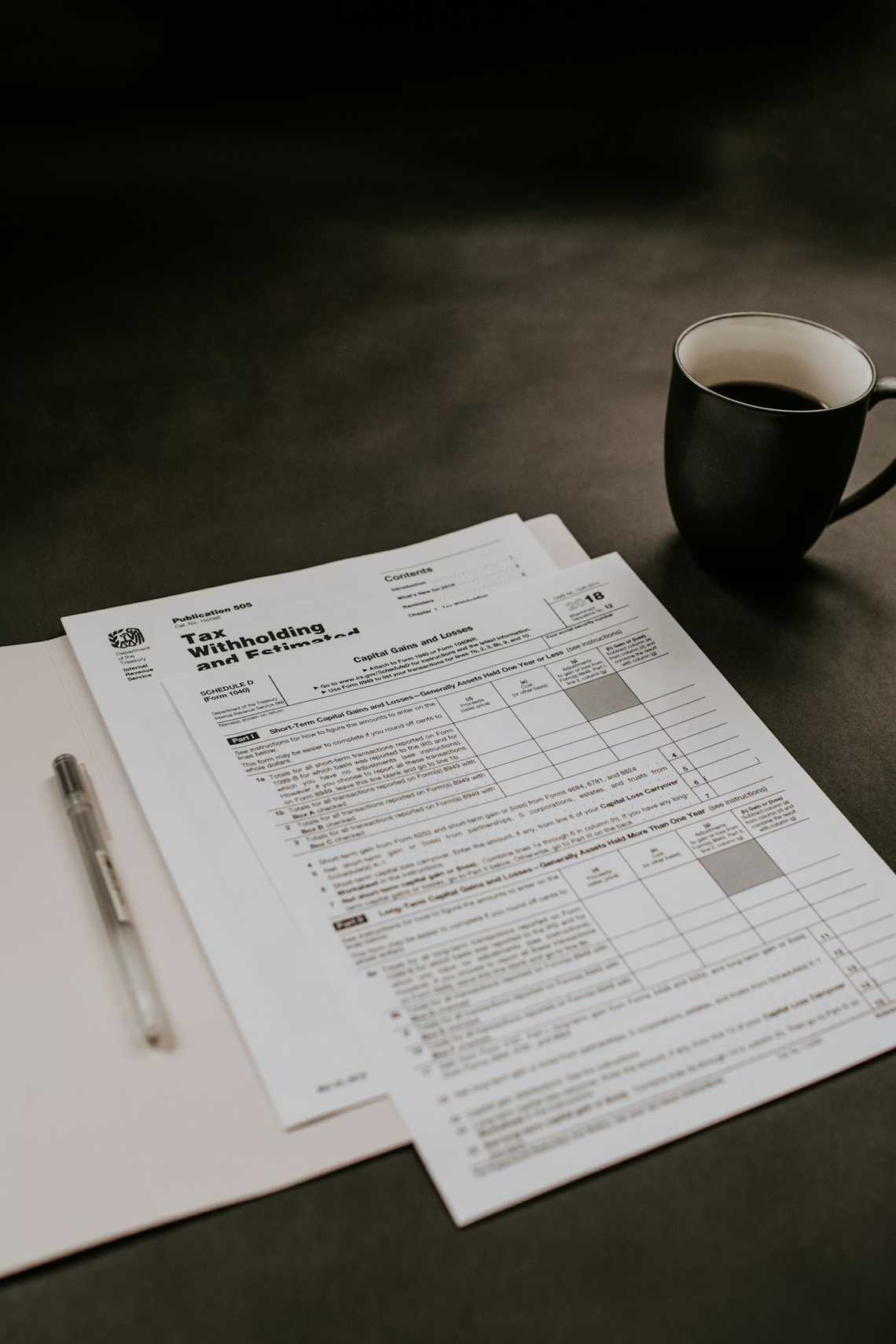
One of the most consequential and least-discussed changes in the 2025 law is the end of tax-free IDR forgiveness.
The American Rescue Plan Act of 2021 temporarily made all student loan forgiveness tax-free through the end of 2025. That provision has now expired. Starting in 2026, any balance forgiven through the IDR program (RAP, IBR, PAYE, ICR) is treated as ordinary taxable income in the year it is forgiven.
PSLF forgiveness remains tax-free — this is a permanent statutory provision.
How Large Is the Tax Bomb?
Example: Borrower reaches 30-year RAP forgiveness with $60,000 remaining balanceTax bracket (22%): $60,000 × 22% = $13,200 owed to the IRSTax bracket (24%): $60,000 × 24% = $14,400 owed to the IRSTax bracket (32%): $60,000 × 32% = $19,200 owed to the IRS
That’s a single-year tax bill that can blindside an unprepared borrower.
How to Prepare for the Tax Bomb
Start a dedicated savings fund now. Even setting aside $50–$100 per month in a high-yield savings account over 20–30 years will accumulate a meaningful cushion. Calculate your projected forgiveness amount using the FSA Loan Simulator and estimate your likely tax bracket at forgiveness.
Invest the difference. If your IDR payment is $200/month versus $400/month on the standard plan, consider investing the $200 difference in a tax-advantaged account (Roth IRA, 401k). Over 20+ years, this can dwarf the eventual tax liability.
Consult a tax professional before forgiveness year. Income tax averaging strategies and careful asset positioning in the years approaching forgiveness can reduce effective tax rates.
Note: Some tax analysts expect Congress to extend tax-free forgiveness in future legislation, as the political pressure from borrowers with large forgiven balances will be significant. Don’t count on it — plan conservatively.
11. Parent PLUS Borrowers: Your Options Are Shrinking Fast {#parentplus}
Parent PLUS Loans are handled differently from every other federal student loan category, and the 2025 law made their situation significantly more precarious.
The Hard Truth for Parent PLUS Borrowers
Parent PLUS Loans cannot be repaid under:
- RAP
- IBR
- PAYE
- New Standard Plan (for loans after July 1, 2026)
The only income-driven option for Parent PLUS borrowers has been ICR — but only after consolidating into a Direct Consolidation Loan. And ICR sunsets July 1, 2028.
If you have Parent PLUS Loans and want income-driven repayment, you have one narrow window:
Consolidate your Parent PLUS Loans into a Direct Consolidation Loan before June 30, 2026 and enroll in ICR (or IBR if you double-consolidated under the old rules before July 1, 2025).
After June 30, 2026, new Parent PLUS borrowers and unconsolidated existing borrowers will have zero access to income-driven repayment. Their only option is the Standard Repayment Plan — fixed payments, no forgiveness pathway (except potentially PSLF if the employer qualifies).
Parent PLUS and PSLF
If you’re a Parent PLUS borrower working in public service, consolidation before June 30, 2026 is even more critical. After consolidating, enroll in ICR (which qualifies for PSLF) and continue making qualifying payments toward the 120-payment threshold. When ICR sunsets in 2028, you’ll transition to IBR — which also qualifies for PSLF.
The double consolidation loophole — where borrowers consolidated a Parent PLUS Loan, then consolidated again to access IBR or PAYE — was officially closed by the Department of Education on July 1, 2025. If you completed a double consolidation before that date, you retain access to your plan. After that date, the workaround is gone.
12. Your Action Plan: What to Do Right Now {#action}

Use this checklist based on your current situation:
If You Are Currently in SAVE Forbearance
- Log into StudentAid.gov immediately and check your loan status
- Apply for IBR now (it processes faster and begins earning forgiveness credit)
- Authorize IRS data sharing in your application for faster processing
- Note: RAP will be available July 1, 2026 — you can switch again then if it’s better for you
- If pursuing PSLF, switching off SAVE is urgent — every month counts
If You Are Currently in PAYE
- You’re in good shape for now — PAYE works through July 1, 2028
- Run a RAP calculator simulation to see if switching in 2026 saves you money
- If you’re close to PSLF forgiveness, stay in PAYE until you reach 120 payments
- Mark your calendar: evaluate options by mid-2027 for the 2028 transition
If You Are Currently in IBR
- You’re on the most stable plan — IBR has no sunset date
- Check if RAP would lower your payment (especially if you earn under $70,000)
- Review the updated IBR terms — the financial hardship test is now gone
- Annual recertification is still required; don’t miss your recertification date
If You Have Parent PLUS Loans
- Critical: Consolidate into a Direct Consolidation Loan before June 30, 2026
- Apply for ICR immediately after consolidation
- If you work in public service, enroll in PSLF tracking at StudentAid.gov
- Understand that after 2028, your plan transitions — plan accordingly
If You Are Starting College in Fall 2026 or Later
- Your repayment options will be: Standard Plan or RAP (the only IDR option)
- RAP will be explained during exit counseling; understand the 30-year timeline
- Borrow only what you need — new borrowing caps are lower than before
- If you plan public service employment, RAP + PSLF is your most powerful strategy
Universal Checklist: Every Borrower
- Use the FSA Loan Simulator at StudentAid.gov to model all available plans
- Confirm your loan servicer has your current contact information
- Set a calendar reminder for annual income recertification
- Keep copies of every IDR application confirmation
- Start a “tax bomb” savings fund if you’re pursuing IDR forgiveness
- Review your repayment plan any time your income changes significantly
13. Frequently Asked Questions {#faq}
Q: Is the SAVE Plan truly over, or could it come back?
The SAVE Plan was eliminated by statute in the One Big Beautiful Bill Act (July 4, 2025) and was vacated by federal court in March 2026. A court settlement was reached with Missouri in late 2025 to formally close it. Short of new legislation, SAVE is permanently gone.
Q: Can I switch back to IBR after enrolling in RAP?
For existing borrowers (loans before July 1, 2026), you can switch between IBR and RAP. However, if you take out any new loan on or after July 1, 2026, RAP becomes your only IDR option for all your loans — including the older ones. This is a critical consideration if you’re thinking about returning to graduate school.
Q: Does time spent in SAVE forbearance count toward anything?
No. The SAVE administrative forbearance period (where loans were paused at 0% interest) does not count toward IDR forgiveness or PSLF. The 0% interest rate ended August 1, 2025. Borrowers must switch to an active IDR plan to resume earning credit.
Q: Is RAP forgiveness taxable?
Yes, starting in 2026. The American Rescue Plan tax exemption expired at the end of 2025. IDR forgiveness under RAP, IBR, PAYE, or ICR is now treated as ordinary taxable income. PSLF forgiveness remains permanently tax-free.
Q: What happens if I miss my annual IBR/RAP recertification deadline?
Your payment will revert to the standard 10-year plan payment amount, which can be dramatically higher. Unpaid interest may also capitalize (be added to your principal balance). Set a recurring calendar reminder 60 days before your recertification anniversary.
Q: I have a mix of old loans and I’m considering going back to graduate school. What should I know?
This is critical: if you take out any new federal loan on or after July 1, 2026, RAP becomes the only IDR plan available for all of your Direct Loans — including your older ones. You would lose access to IBR, PAYE, and ICR for your existing loans as well. Run the RAP calculator for your projected post-graduation income before deciding.
Q: Does RAP qualify for Public Service Loan Forgiveness?
Yes. RAP qualifies for PSLF from its launch date of July 1, 2026. For new borrowers after that date, RAP is the only IDR plan available — and the only IDR path to PSLF.
Q: I refinanced my federal loans privately. Can I get back on RAP?
No. Private refinancing converts your federal loans into private loans, which are permanently ineligible for all federal repayment plans including RAP, IBR, and PSLF. This is irreversible. Do not refinance federal loans privately unless you have a very high income, small balance, and are certain you will never need federal protections.
The Bottom Line
The 2025–2026 student loan overhaul is the most significant change to federal repayment policy since income-driven repayment was introduced. The old playbook — with its SAVE Plan benefits, flexible forbearances, and broad IDR access — is gone.
What remains is a cleaner, smaller menu of options:
- RAP for most new borrowers and lower-income existing borrowers
- IBR as the permanent, stable option for existing borrowers
- PSLF still the most powerful forgiveness tool available, especially with RAP
The biggest risk right now is inertia. Borrowers sitting in SAVE forbearance are losing forgiveness credit every month. Parent PLUS borrowers who don’t consolidate before June 30, 2026 will lose IDR access permanently. And anyone not preparing for the potential “tax bomb” at forgiveness is building a financial surprise.
Use the FSA Loan Simulator, consult a student loan planner if your balance exceeds $50,000, and update your plan today. The rules have changed — your strategy should too.
Sources & Further Reading
- U.S. Department of Education — Official SAVE Plan Settlement Announcement
- Congressional Research Service — RAP in P.L. 119-21
- Institute for College Access & Success (TICAS) — Upcoming Changes to IDR Plans
- NerdWallet — What Is the New RAP for Student Loans?
- Fidelity — What Is the Repayment Assistance Plan?
- The College Investor — RAP vs. IBR Breakdown
- Federal Student Aid — Loan Simulator Tool
- Massachusetts.gov — RAP Payment Estimator
- Student Loan Borrower Assistance (NCLC) — IDR Plans Overview
This article is for informational purposes only and does not constitute financial or legal advice. Student loan policy is subject to change; always verify current rules at StudentAid.gov or consult a certified student loan advisor.
© OneShekel.com | Personal Finance for Real Americans
Tags
Share
Related Posts


![SAVE Plan Explained 2026 [What Happened to Saving on a Valuable Education, and What Borrowers Must Do Now]](/static/6d931d5adaad7ba76bf7adf94a397996/6b99c/im.webp)

