


![Best Savings Accounts in 2026 [High-Yield vs. Traditional vs. Money Market]](/static/1c62e85814cbfe815a96ee29fdf3414d/6b99c/im.webp)
![Medicaid Eligibility in 2026 [Income Limits, Who Qualifies & How to Apply by State]](/static/aa89c98d02489229048e75bb0c044386/f47df/im.webp)
Medicaid Eligibility in 2026 [Income Limits, Who Qualifies & How to Apply by State]
Key Takeaways
- Medicaid covers 90+ million Americans — the largest health insurance program in the U.S.
- ACA Medicaid expansion (138% FPL) remains active in 40 states + D.C.
- 10 non-expansion states still use strict pre-ACA rules — many low-income adults fall in the “coverage gap”
- The OBBBA introduced new work requirements for Medicaid starting in 2026
- SSI recipients in 34 states + D.C. are automatically enrolled in Medicaid
- Children are covered through CHIP at higher income limits (200–300% FPL in most states)
What Is Medicaid?
Medicaid is a joint federal-state health insurance program covering low-income individuals and families. The federal government sets minimum standards and provides matching funds; each state administers its own program and can expand coverage beyond the federal minimums.
Unlike Medicare (which is age-based), Medicaid is income-based and covers people of all ages. In 2026, Medicaid serves over 90 million Americans — more than any other health insurance program in the country.
2026 Medicaid Eligibility: ACA Expansion States
For the 40 states + D.C. that expanded Medicaid under the Affordable Care Act, the income limit for most non-elderly adults is 138% of the Federal Poverty Level (FPL).
2026 ACA Medicaid Expansion Income Limits:
| Household Size | Monthly Income Limit (138% FPL) | Annual Limit |
|---|---|---|
| 1 person | $1,732 | $20,783 |
| 2 people | $2,343 | $28,111 |
| 3 people | $2,953 | $35,438 |
| 4 people | $3,563 | $42,766 |
| 5 people | $4,174 | $50,094 |
| 6 people | $4,784 | $57,422 |
| Each additional | +$611 | +$7,328 |
Source: Federal Poverty Guidelines 2025 (used for 2026 Medicaid eligibility).
Expansion States (as of March 2026)
AZ, AR, CA, CO, CT, DE, DC, HI, ID, IL, IN, IA, KS, KY, LA, ME, MD, MA, MI, MN, MO, MT, NE, NV, NH, NJ, NM, NY, NC, ND, OH, OK, OR, PA, RI, SD, UT, VA, VT, WA, WV, WI (40 states + D.C.)
Non-Expansion States (10)
AL, FL, GA, MS, SC, TN, TX, WY, and 2 others — these states use much stricter eligibility rules, typically covering only parents below very low income levels, pregnant women, children, and elderly/disabled individuals. Many low-income adults in these states fall in a “coverage gap” — they earn too much for Medicaid but too little for ACA marketplace subsidies.
Special Medicaid Categories
Even in non-expansion states, certain groups are covered:
| Category | Income Standard | Notes |
|---|---|---|
| Children (CHIP) | Up to 200–300% FPL | Free or low-cost; varies by state |
| Pregnant women | 138–200% FPL+ | All states cover pregnancy |
| Elderly (65+) | 100% FPL net income | Asset limits also apply |
| Blind/Disabled | Linked to SSI eligibility | In 34 states, SSI = automatic Medicaid |
| Former foster youth | Up to 26 regardless of income | Free, in most states |
| Breast/cervical cancer | Income-based | Women diagnosed through NBCCEDP |
Medicaid for Elderly and Disabled Adults (Long-Term Care)
For older adults who need nursing home care or home-based long-term care, Medicaid has stricter rules than expansion Medicaid:
- Income limit: Generally 100% FPL for the individual (approximately $1,215/month in 2026)
- Asset limit: Typically $2,000 for individuals (not counting home, one vehicle, retirement accounts in some cases)
- Spousal impoverishment protections: If one spouse needs Medicaid for long-term care, the community spouse can retain more assets (the “community spouse resource allowance”)
Medicaid planning for long-term care is complex — consult an elder law attorney if you or a family member may need nursing home care.
2026 Medicaid Work Requirements (New Under OBBBA)
The One Big Beautiful Bill Act added community engagement (work) requirements for certain Medicaid enrollees:
- Who it affects: Able-bodied adults ages 19–64 who are not pregnant, disabled, or the primary caregiver of a child under 14
- Requirement: 80 hours/month of work, volunteering, job training, or education
- Implementation: States must apply for a federal waiver; as of March 2026, approximately 12 states have received approval
- Exemptions: Similar to SNAP work requirement exemptions — age 65+, disability, pregnancy, caregiver of child under 14, student status
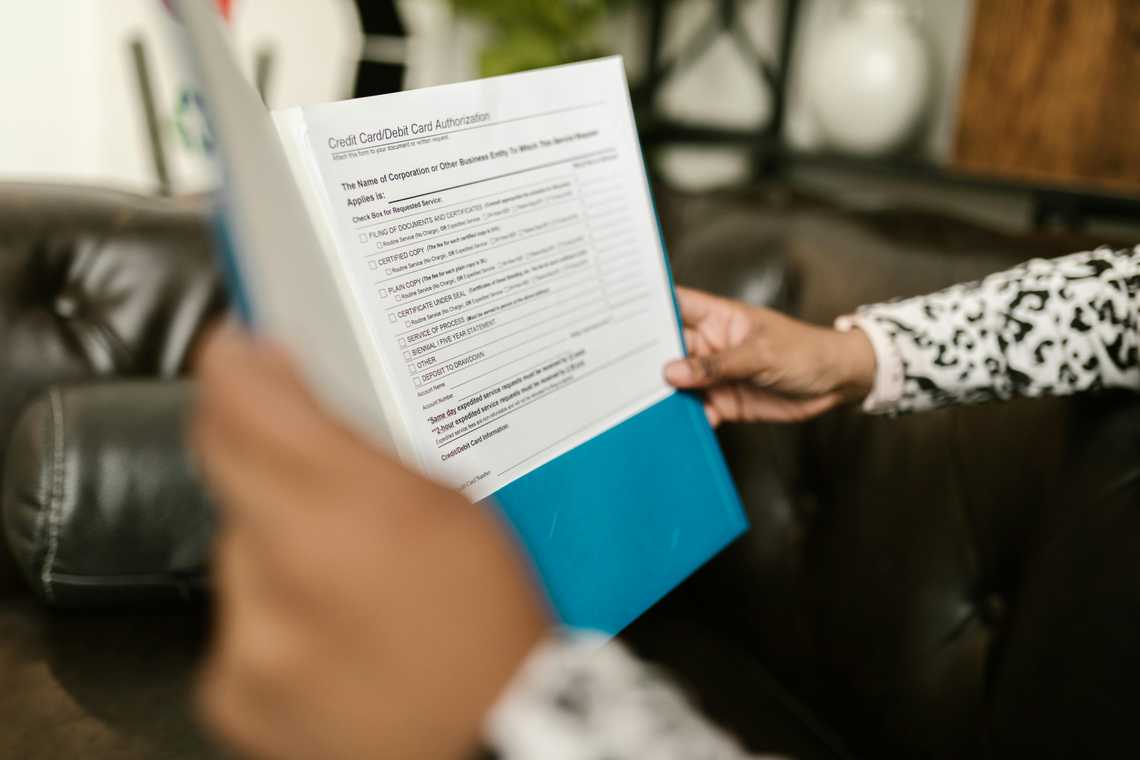
How to Apply for Medicaid
Option 1: Online (Fastest)
- Most states: apply at healthcare.gov or your state’s Medicaid portal
- California: BenefitsCal.com (CalMedConnect)
- New York: myBenefits.ny.gov
- Texas: YourTexasBenefits.com
- Florida: AccessFlorida.myflorida.com
Option 2: Phone
Call your state Medicaid agency directly. Find the number at medicaid.gov/about-us/contact-us.
Option 3: In Person
Visit your local Department of Social Services, County Assistance Office, or community health center.
What to Bring
- Photo ID (driver’s license, state ID, or passport)
- Social Security numbers for all household members applying
- Proof of income (pay stubs, award letters)
- Proof of residency (utility bill, lease, recent mail)
- Immigration documents if applicable
- Information about other health insurance coverage
Processing Time
Most states process non-emergency Medicaid applications within 45 days. Applications based on disability take up to 90 days. If you are pregnant or experiencing a medical emergency, you may receive presumptive eligibility within days through a qualified entity.
Medicaid and Other Benefits: How They Work Together
| Pairing | Notes |
|---|---|
| Medicaid + SNAP | Separate applications but similar income thresholds; apply for both |
| Medicaid + SSI | SSI receipt = automatic Medicaid in 34 states + D.C. |
| Medicaid + Medicare (Dual Eligible) | Medicaid pays Medicare premiums, deductibles, and copays — “dual eligible” saves $200+/month |
| Medicaid + WIC | Medicaid receipt = automatic income eligibility for WIC |
FAQ
Does Medicaid cover dental? Adult dental coverage varies by state. Children’s dental is covered under CHIP in all states. Some states provide comprehensive adult dental; others provide only emergency dental. California, Maryland, and New York have among the most comprehensive adult dental coverage.
Can I have both Medicaid and private insurance? Yes — Medicaid can be secondary to private insurance. If your employer offers coverage but it’s unaffordable, you may qualify for both.
Will Medicaid affect my immigration status? Medicaid for non-emergency services can be considered under the “public charge” rule for certain immigration applications. However, emergency Medicaid, CHIP, and Medicaid for pregnant women are generally excluded from public charge analysis. Consult an immigration attorney for your specific situation.
What is Medicaid vs. Medicare? Medicaid is income-based and covers people of all ages. Medicare is age-based (65+) or disability-based. They’re separate programs that can be received simultaneously.
Sources
- CMS. Medicaid. medicaid.gov.
- CMS. ACA Medicaid Expansion. medicaid.gov/medicaid/eligibility.
- Kaiser Family Foundation. Status of State Medicaid Expansion Decisions. kff.org.
- Healthcare.gov. Medicaid and CHIP eligibility. healthcare.gov.
Related Articles:
- SNAP Benefits 2026
- SSI vs. SSDI
- Medicare Part B Premium 2026
- Medicaid vs. Medicare Differences
- Government Benefits Complete List 2026
Last verified: March 2026.
Navigating Benefits: What Most People Miss
Billions of dollars in government benefits go unclaimed each year because eligible people don’t know they qualify or find the application process daunting:
Check eligibility broadly. Many programs have higher income limits than people expect. A family of 4 earning $55,000 may qualify for SNAP, CHIP for their children, LIHEAP utility assistance, and school lunch programs simultaneously.
Apply through official channels. Benefits.gov and your state’s official social services portal are the right starting points. Be wary of third-party sites that charge to help you apply for free government programs.
Report changes promptly. Changes in income, household size, or address must be reported to avoid overpayments that create future debt. Set reminders for annual eligibility recertification.
Stack benefits when possible. SNAP, Medicaid, LIHEAP, WIC, school lunch programs, and housing assistance are often available simultaneously to qualifying households. Don’t assume receiving one disqualifies you from others.
Sources
- Benefits.gov. Benefit Finder. Benefits.gov.
- USDA Food and Nutrition Service. Supplemental Nutrition Assistance Program. USDA.gov.
- Centers for Medicare & Medicaid Services. Medicaid. CMS.gov.
Last verified: March 2026.
Key Takeaways Revisited
Building financial security is a multi-step process. The strategies and information in this guide work best as part of a coordinated approach:
- Foundation first: Emergency fund (3–6 months) in a high-yield savings account before investing
- Tax-advantaged accounts: Roth IRA ($7,000/year) and 401(k) matching before any taxable investing
- Low costs: Every 1% in fees costs you roughly 25% of your final portfolio over 30 years — keep total costs under 0.10%
- Consistency: Regular contributions on autopilot beat occasional large contributions driven by market optimism
- Long time horizon: The single most important factor in wealth building is time in the market, not timing the market
Whether you’re just starting out or optimizing an existing financial life, the principles that work are simple, well-established, and available to anyone willing to implement them consistently.
The next step: Pick one action from this guide and do it today. Open that account. Set that automatic transfer. Make that call. Progress beats perfection every time.
Tags
Share
Related Posts
![Down Payment Assistance Programs in 2026 [How to Find & Qualify for Free Money]](/static/594cfa9f9a6f66c287c4bc68f73bd00a/6b99c/im.webp)
![First-Time Homebuyer Programs in 2026 [Down Payment Assistance & Grants by State]](/static/fc62b550f244601c62b482b21c8fcdb2/6b99c/im.webp)
![How to Buy a House in 2026 [Step-by-Step From Pre-Approval to Closing]](/static/70441153002a3cc09c0725e0fa827afb/6b99c/im.webp)

![Mortgage Rates in 2026 [Current Rates, Forecast & How to Get the Best Rate]](/static/992680fbf64864152fd2941b67ec9b74/6b99c/im.webp)
Quick Links